

10 Sep 2026
Why Does Leftover Chicken Taste Different? Understanding WOF


Recently, a discussion on Reddit r/Cooking asked, “Why does reheated chicken taste different?” This is a familiar experience for many people, and food science actually has a term for part of this phenomenon: Warmed-Over Flavor (WOF Note 1 ), a characteristic flavor change that can develop in cooked meat during storage. It is more than just a matter of personal taste—there is some fascinating food science behind it.
Even after chicken has been cooked and placed in the refrigerator, changes within the food do not stop completely. Research suggests that one of the important factors contributing to WOF is lipid oxidation Note 2 during the storage of cooked meat, while changes in proteins may also play a role. These reactions can generate aldehydes, ketones, and other volatile compounds Note 3 , which can alter the aromas and flavors we perceive.
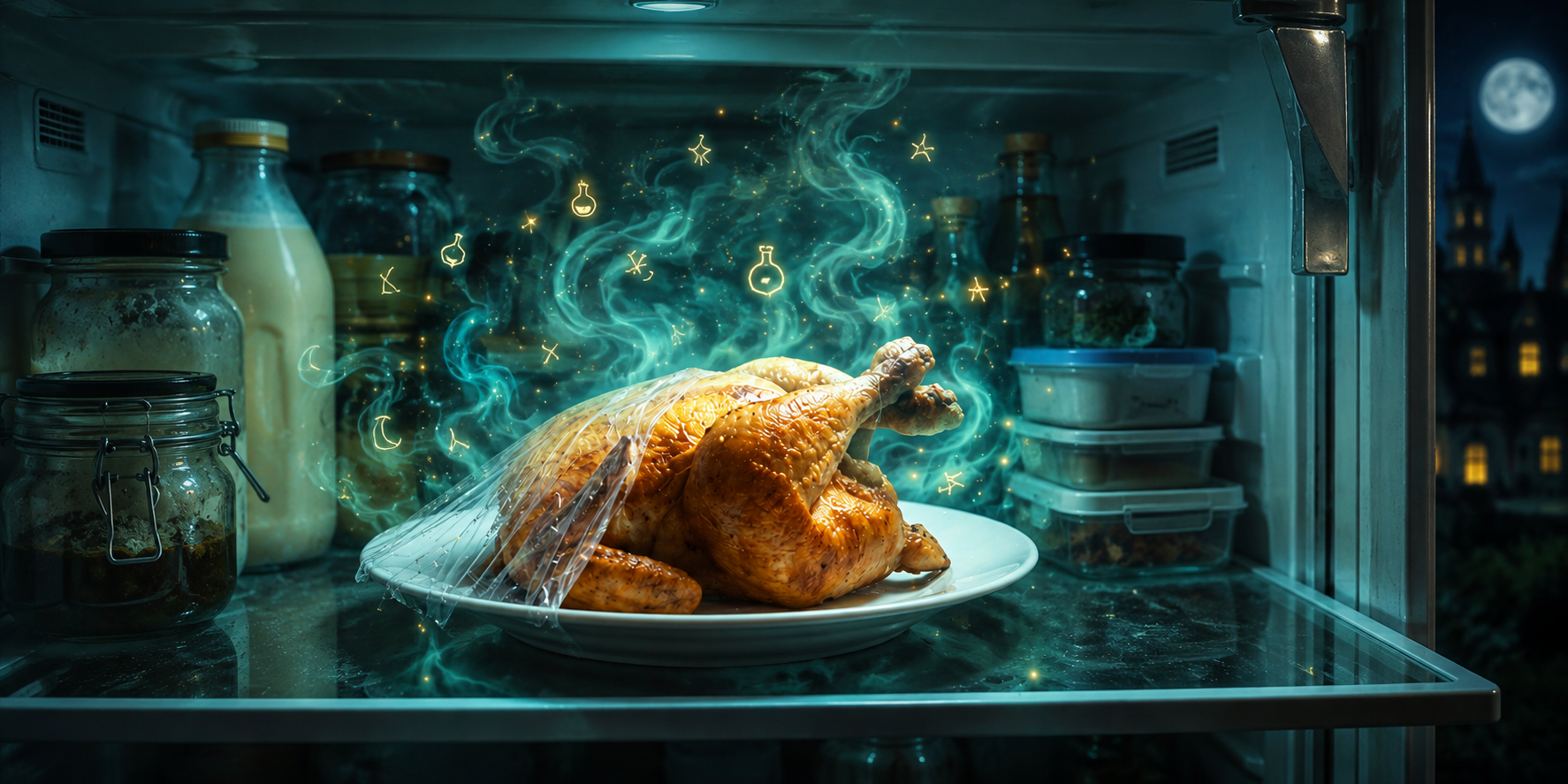
As a result, roasted chicken that smelled delicious yesterday may taste slightly stale, oily, or even somewhat rancid after being refrigerated overnight. During reheating, some volatile compounds can become more noticeable as they are released into the air, making the difference in aroma even easier to detect. However, WOF cannot be attributed to a single specific compound, nor can every unusual odor in leftover meat be explained by WOF.
This also makes reheating more interesting than it may seem. Different equipment, temperatures, and heating methods can all influence the final texture and aroma of food. In commercial kitchens, stable and repeatable heating conditions are especially important. From Alpha Brass Controls AG Series Gas Thermostats to the APV01 Proportional Gas Valve and related control solutions, the goal is to help equipment manage temperature and heat input more consistently—not simply to make food “hotter.”
Finally, changes in flavor should not be confused with food safety. The USDA recommends consuming refrigerated cooked leftovers within 3 to 4 days and reheating them to an internal temperature of 165°F (approximately 74°C). Most importantly, if the storage conditions of the food are uncertain, food safety should always come first.
Technical Terms
1. Warmed-Over Flavor (WOF)
A characteristic flavor change that can develop in cooked meat after cooking and storage, and is often noticed when the food is eaten again or reheated.
2. Lipid Oxidation
A series of chemical reactions between fats and oxygen that can generate oxidation products and affect the aroma, flavor, and overall quality of food.
3. Volatile Compounds
Chemical compounds that readily evaporate into the air. Many of the aromas and off-odors associated with food are related to these compounds.
References
1. Reddit r/Cooking, Reheated chicken flavor
2. ScienceDirect, Chen et al., The formation mechanism and control strategies of warmed-over flavor in prepared dishes
3. PubMed Central, Xiong et al., Lipid oxidation induced by heating in chicken meat
4. USDA FSIS, Leftovers and Food Safety
#WarmedOverFlavor #WOF #FoodScience #CookingScience #LipidOxidation #CommercialKitchen #TemperatureControl #GasControl #GasThermostat #CommercialCookingEquipment #AlphaBrassControls